
How to Start Cooking with Ghee the Right Way (and Why Your Kitchen Is Incomplete Without It)

I still remember the first time I stood in my mother's kitchen, watching her pour a spoonful of golden ghee into a hot pan for the daily dal tadka. The smell that hit the room was nothing like any oil I had ever used. Rich, nutty, almost butbling with warmth. It was one of those smells that makes you feel like food is going to be really, really good today.
Growing up in a strict vegetarian household, ghee was not optional. It was a kitchen staple the same way salt or cumin was. But when I started cooking on my own, I made a huge mistake most new cooks make. I treated it like regular oil. I cranked up the heat. I waited for it to go dark before adding vegetables. I had no idea I was doing it wrong.
That is what this article is about. After a lot of trial, error, and a few burned tawa parathas, I figured out how to actually use ghee well. And if you are someone who wants to cook better vegetarian Indian meals at home, this will save you from making the same mistakes I did.
Why Cooking with Ghee Is Different from Using Regular Oil
Most people in India know that ghee is used in Indian cooking. But very few really understand what makes it different from refined oil or butter, especially when it comes to how it behaves in the pan.
Clarified butter, which is what ghee technically is, has had its water and milk solids removed. That process gives it a far high smoke point compared to regular butter or most cooking oils. A pure desi ghee will typically smoke at around 250°C, which is well above what you need for everyday vegetarian Indian cooking. This makes it genuinely useful for the kind of heat Indian cooking requires, whether you are popping mustard seeds for a tadka, pan-frying a paratha, or roasting dry spices for a masala paste.
Beyond the practical side, ghee adds an aroma and depth of flavour to food that oils simply cannot match. There is something about the way ghee carries spices and coats rice or dal that feels complete. Every home-cooked meal in a traditional Indian kitchen has that quality, and it almost always comes back to the ghee.
The other important thing is purity. Ghee made through the traditional Bilona method, where curd is hand-churned to extract butter before it is slow-cooked into ghee, retains more of the natural qualities of the milk. It is thicker, more aromatic, and far more stable than ghee made by processing cream directly. If you are buying ghee for daily use, the method it was made with matters.
A2 Gir Cow Ghee vs Pure Desi Buffalo Ghee: Which Should You Cook With?
This is a question I get from friends all the time. Both are excellent. But they are not the same.
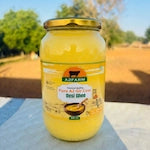
A2 Gir Cow Ghee is lighter, with a distinct golden color and a grainy texture when it sets. The aroma is softer and slightly sweet. It is the one most people think of when they imagine traditional Indian ghee. It works beautifully in lighter dishes: rice, khichdi, dal, soft sabzis, and anything where you want the ghee flavor to be noticeable but not overpowering. For everyday vegetarian Indian cooking, it is hard to beat.
Shop A2 Gir Cow Ghee from A2 Farm
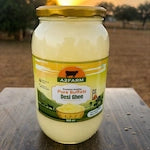
Pure desi buffalo ghee is richer and creamier. Its color is usually off-white to pale cream, which is completely normal. It has a higher fat content than cow ghee, which means a more intense, full-bodied flavour. It is ideal for heavier dishes like halwa, parathas, puranpoli, or any recipe where you want a deeply satisfying richness in the final dish.
Explore Pure Desi Buffalo Ghee from A2 Farm
Neither is better in an absolute sense. Think of it this way: use A2 Gir Cow Ghee for your everyday meals, and reach for pure desi buffalo ghee when you are making something where richness is the whole point.
The Best Cooking Methods for Using Ghee Every Day
Tadka and Tempering
Tadka, or tempering, is probably the most important use of ghee in Indian cooking. This is the method where ghee is heated and whole spices like mustard seeds, cumin, dried red chillies, or asafoetida are added briefly to bloom their aroma before being poured over a finished dish.
The key to a good tadka is heat control. Heat the ghee on medium flame. Once it is liquid and warm but not smoking, add your spices. You will hear the mustard seeds pop within seconds. That sound and that smell means it is working. Remove from heat quickly and pour the tadka directly over hot dal or sabzi.
Never use full heat for tadka. The moment ghee starts to smoke, the flavour turns bitter and you lose the very thing you added ghee for.
Sautéing Vegetables and Sabzi
Sautéing vegetables in ghee is one of the simplest ways to upgrade a basic sabzi. Warm the ghee in a kadai on medium heat, add your onion, garlic, and ginger, and let them soften without rushing. The fat in ghee coats the vegetables beautifully and creates a deeper base for your masala.
For dry sabzis like aloo jeera or lauki sabzi, sautéing in ghee instead of oil gives you that characteristic depth of flavour that makes the dish feel like it was cooked by someone who really knew what they were doing.
Roasting Spices and Masala
When roasting dry spices or making a fresh masala paste base, ghee gives you more control than oil. Its high smoke point means you can toast cumin, coriander, or bay leaves without burning them before they release their flavor. Just keep the flame on low to medium and stir constantly.
This technique works especially well when making ghee-roasted atta for halwa or roasting besan for ladoos. The way ghee coats the flour and develops a toasty, nutty smell is something refined oil simply cannot do.
Light Frying and Pan-Frying
Light frying in ghee is excellent for parathas, rotis, and shallow-fried snacks. Because of its high smoke point, ghee handles the sustained heat of a tawa without breaking down. Brush or spoon ghee onto the paratha as it cooks, and you get a crispness and color that oil just does not give.
For deep frying, ghee works but it is expensive to use in large quantities, so most home cooks save it for shallow frying. Traditional recipes for puri and gujiyas do use ghee for deep frying, and if you are making these for festivals, using pure ghee is absolutely worth it.
What Not to Do: Heat Control and the Smoke Point Warning
This is the one thing most people skip over, and it causes real problems in the kitchen.
Ghee does have a high smoke point, but that does not mean you should heat it to maximum flame. When ghee starts to smoke, several things happen that you do not want. The beneficial compounds in the ghee begin to break down. The flavor turns sharp and slightly bitter. And you lose the very aroma that makes ghee worth using.
The correct way to cook with ghee is on low to medium heat for most tasks. Use the high smoke point as a safety margin, not an invitation to crank the flame. If you see smoke rising from your pan, turn the heat down immediately and let it cool slightly before continuing.
This caution also applies to tadka. It is very easy to let the ghee get too hot while you are gathering your spices. Keep everything ready before you heat the pan, so you are never scrambling.
Vegetarian Meal Ideas and Everyday Kitchen Uses
Here is where cooking with ghee becomes genuinely practical. Below are the ways I personally use it every week in my kitchen.
Dal and Rice
The classic. A simple dal with a ghee tadka of cumin, hing, and dried red chilli is one of the most satisfying things you can eat. Add a teaspoon of ghee directly on top of cooked rice before serving, and the whole bowl changes. The flavour opens up, the texture becomes silkier, and it feels like a full meal even when it is simple.
Paratha and Roti
Paratha made with ghee instead of oil is the reason people ask for seconds. Whether it is plain paratha, aloo paratha, or methi paratha, brushing ghee on the hot tawa and on the paratha itself as it cooks gives you that layered, flaky texture that makes it impossible to stop at one. Apply ghee after cooking the first side, flip, and press gently. That is the whole technique.
Sabzi
For vegetables like pumpkin, raw banana, or ridge gourd, ghee brings out a sweetness that oil does not. A simple tadka of mustard, curry leaves, and a tiny bit of jaggery in ghee before adding the chopped vegetable makes a sabzi that tastes like it came from a proper vegetarian thali restaurant.
Khichdi and One-Pot Meals
Khichdi cooked with a spoonful of A2 Gir Cow Ghee stirred through at the end is comfort food at its best. The same goes for pongal, oats khichdi, or any soft one-pot dish you make when the weather is off or someone at home is unwell. The ghee adds richness without heaviness.
Halwa and Sweets
Halwa made with buffalo ghee is on a completely different level. Roast the atta or suji in ghee until it goes golden brown and smells toasty. Then add hot water or milk and stir. The result is a halwa that is rich, glossy, and deeply satisfying. This is one place where using a full, proper quantity of pure desi buffalo ghee pays off completely.
What to Look for When Buying Ghee in India
With so many options on the market, it is worth knowing what separates genuinely good ghee from the rest.
Traditional Bilona method: This is the gold standard. Curd is hand-churned to extract butter, which is then slow-cooked to make ghee. This method preserves more natural qualities compared to commercial processes.
Purity: Look for pure, single-ingredient ghee with no additives, stabilizers, or vegetable fat blends. Lab-tested ghee from a trusted source gives you more confidence in what you are actually putting in your food.
Source of milk: A2 Gir Cow Ghee specifically refers to ghee made from the milk of indigenous Gir cows, which produce A2 beta-casein protein. This is distinct from crossbred cow milk used in most commercial dairy products.
Aroma and texture: Good ghee has a distinct, pleasant nutty smell. It should be clear when melted and may be grainy or slightly solid at room temperature depending on the season. Off-white color in buffalo ghee is completely normal and is not a sign of poor quality.
Browse all products at A2 Farm
Quick Tip 1
Add the internal link to your A2 Gir Cow Ghee product page inside your daily cooking recommendation. It converts better when it sits naturally within practical advice rather than at the end of the article.
Quick Tip 2
When explaining the cow vs buffalo ghee comparison, link directly to the Pure Desi Buffalo Ghee page. Readers who are curious about the color or richness difference are already product-aware and more likely to click and explore.
Frequently Asked Questions
Is ghee good for vegetarian Indian cooking?
Yes. It works exceptionally well in dal, sabzi, rice, paratha, and tadka. Because it is made entirely from dairy with no animal by-products involved in cooking (unlike lard or meat drippings), it fits naturally into vegetarian Indian kitchens and has been used this way for thousands of years.
Can I use A2 Gir Cow Ghee every day?
Yes, in moderate amounts as part of a balanced diet. A teaspoon on dal or rice, or used in a small tadka, is a practical daily quantity for most people. It adds nutrition alongside flavour without going overboard.
What is the difference between cow ghee and buffalo ghee?
Cow ghee, especially A2 Gir Cow Ghee, is lighter in texture, golden in color, and has a milder aroma. It suits everyday cooking. Pure desi buffalo ghee is richer, creamier, off-white in color, and ideal for heavier preparations like halwa or loaded parathas.
Is ghee okay for high-heat cooking?
Yes, ghee is stable at high temperatures because of its high smoke point. But you should still avoid overheating it. Cook on low to medium heat for most dishes and use the smoke point as a buffer, not a target.
How do I store ghee properly at home?
Keep ghee in a clean, dry container with a tight lid. A ceramic or glass jar works well. It does not need refrigeration if used regularly within a few months. Just make sure no water gets into the jar, which can cause spoilage over time.
Final Thoughts
Cooking with ghee is not complicated once you understand one basic thing: it is not just a fat, it is a flavour carrier. Used at the right heat, in the right dishes, it transforms ordinary home-cooked meals into something that tastes like effort and love went into every bite.
Start with a simple dal tadka. Then try it on your next paratha. From there, you will find your own rhythm.
If you want to explore good-quality, traditionally made options, you can check out the A2 Gir Cow Ghee for everyday cooking, the Pure Desi Buffalo Ghee for richer preparations, or browse the full product collection at A2 Farm to find what suits your kitchen best.