
How to Cook the Best Indian Recipes Using Ghee: From Dal to Mysore Pak

I still remember the first time I stood in the kitchen trying to make dal the way it used to taste at home. Something was missing. The smell was not right. The finish felt flat. My grandmother walked in, looked at my pot, and without saying a word, picked up the small steel container of desi ghee sitting near the stove. She added one generous spoon into the hot tadka pan, and within seconds, the whole kitchen smelled exactly like home.
That moment changed how I cook. Not because ghee is some magic ingredient, but because I finally understood why every good Indian recipe seems to call for it in the end.
If you have been looking for the best Indian recipes using ghee and wondering how to use it properly, this guide covers everything. Breakfast staples, everyday lunch dishes, regional favorites, and festive sweets. By the end, you will know exactly how to use desi ghee in your daily kitchen without overthinking it.
Why Ghee Is Used in Indian Cooking
Before jumping into recipes, it helps to understand why ghee has stayed at the center of Indian cooking for thousands of years.
Ghee is clarified butter. The milk solids are removed, leaving behind pure fat with a high smoke point. This means it handles heat better than most oils without burning. But the real reason it appears in almost every Indian kitchen is the flavor.
When desi ghee hits a hot pan, it releases a deep nutty aroma that you cannot replicate with oil. That smell alone makes food feel warm and complete. In Ayurveda, ghee is also considered one of the most digestible fats, which is why it appears in everything from daily rotis to medicinal preparations.
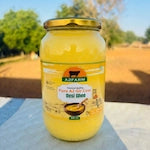
The best ghee today comes from cows raised on traditional methods. Pure A2 Gir Cow Desi Ghee made using the bilona method (where curd is churned by hand) carries a richer taste and a more golden color than commercial ghee. If you want the real experience, the quality of ghee matters as much as how you use it.
Everyday Indian Recipes Using Ghee
Phulka (Soft Wheat Rotis Finished with Ghee)
Phulka is one of the simplest and most satisfying ways to use ghee daily. You make the dough, roll the rotis thin, and cook them on a direct flame until they puff. The finishing step is what makes the difference.
As soon as each phulka comes off the flame, brush a small amount of desi ghee on top. The roti absorbs it immediately. The result is soft, layered, and far more flavorful than a dry roti. Use roughly half a teaspoon per phulka. More than that and it gets heavy. Less and you lose the point.
Paratha follows the same logic. Whether you are making aloo paratha, methi paratha, or a plain layered paratha, adding ghee while rolling or as a finishing layer gives it a flaky, rich texture that butter or oil cannot match.
Dal Tadka
Dal is probably where most Indian home cooks use ghee the most. The trick is in the tadka.
Make your dal as usual, whether it is moong, masoor, toor, or chana. Let it cook fully. Then separately heat desi ghee in a small pan until it is shimmering. Add mustard seeds, dried red chilies, garlic, and cumin. Let them splutter and darken for about thirty seconds. Pour this directly into the cooked dal while it is still hot.
The sizzle when the tadka hits the dal is one of the best sounds in an Indian kitchen. That nutty aroma from the ghee carries the spices deep into the dish. A good dal tadka with bilona method ghee tastes completely different from one made with oil.
Use about one to one and a half teaspoons of ghee per serving for tadka. For a family pot of four to five servings, two tablespoons is a good starting point.
Khichdi
Khichdi is the dish people reach for when they want something warm, simple, and filling. Rice and lentils cooked together with minimal spices. It sounds plain but when done right it is deeply satisfying.
The ghee goes in at two points. First, when you add it to the pressure cooker or pot at the start and toast the cumin in it. Second, right at the end as a generous finishing drizzle before serving.
For four servings of khichdi, use about one to two tablespoons of desi ghee total. If someone at home is recovering from illness or simply needs something light, khichdi with pure cow ghee is one of the most nourishing meals you can make.
Sabzi (Everyday Vegetable Dishes)
Most people use oil for their daily sabzi, which is perfectly fine. But swapping even half the oil for ghee changes the finish of the dish noticeably. Aloo gobi, bhindi masala, palak, and lauki all respond well to ghee.
The best approach is to use oil for the main cooking and add a teaspoon of desi ghee right at the end. Stir it through just before serving. The nutty aroma lifts the whole dish and gives it a restaurant-style richness without adding too much fat.
Regional Indian Meals That Use Ghee
Ghee Rice (Nei Choru)
Ghee rice is a South Indian staple, especially popular in Kerala and Tamil Nadu. It is simple enough for a weekday lunch but rich enough for a wedding feast.
Wash and soak basmati rice. In a heavy pan, heat desi ghee generously. Add whole spices: cloves, cardamom, bay leaf, and cinnamon. Add sliced onions and fry until golden. Add the soaked rice, stir to coat every grain in ghee, then add hot water and cook until fluffy.
The key to good ghee rice is using enough ghee to coat the rice properly during the initial frying step. About two tablespoons for two cups of rice gives you the right flavor without making the dish greasy. Serve with a simple dal or raita on the side.
Ghee Roast Dosa
Ghee roast dosa is exactly what it sounds like. A fermented rice and lentil batter spread thin on a hot iron pan, then cooked slowly with desi ghee until the edges are crisp and golden.
The technique matters here. The pan needs to be at the right temperature, not too hot. Pour the batter, spread it in a circular motion, and drizzle ghee around the edges and over the surface. Let it cook undisturbed for two to three minutes. A properly made ghee roast dosa has a lacey, crisp surface and a slightly soft center.
Serve with coconut chutney and sambar. The clarified butter in desi ghee means it does not burn the way regular butter would at this heat, which is why it works so well on a dosa tawa.
Paneer Ghee Roast
Paneer ghee roast is a Mangalorean-inspired dish that has become popular across the country. Paneer cubes are cooked in a spiced ghee base with red chilies, tamarind, and tomatoes.
The dish gets its depth from the desi ghee carrying those bold spices. Start with two tablespoons of ghee, toast whole spices, add the masala paste, cook until oil separates, then add paneer and coat everything well.
Paneer ghee roast works beautifully as a side dish with paratha or as a dry starter. The ghee gives it a richness that you cannot achieve with oil alone.
Festive Sweets Made with Ghee
Sooji Halwa
Sooji halwa (semolina pudding) is probably the most common festive sweet made with ghee across North India. It is simple, fast, and deeply comforting.
Heat desi ghee in a heavy pan. Add semolina and roast on low flame for seven to eight minutes until golden and fragrant. This roasting step in ghee is what gives sooji halwa its characteristic taste. Add warm water or milk carefully (it will splutter), add sugar, and stir until the halwa thickens and pulls away from the sides.
Use three to four tablespoons of ghee per cup of sooji. Less than that and the texture feels dry. Garnish with cashews and raisins fried briefly in ghee before adding.
Mysore Pak
Mysore pak is one of Karnataka's most celebrated sweets. Made with gram flour, sugar, and an extraordinary amount of ghee, it is the kind of sweet that melts completely when it hits your tongue.
The method involves making a sugar syrup, then adding roasted besan, and then pouring in hot desi ghee in small additions while stirring constantly. The ghee is absorbed by the mixture in stages, which is what creates those characteristic porous, fudgy layers.
Mysore pak requires patience and the right quality ghee. Pure A2 Gir Cow Desi Ghee works especially well here because the deeper fat content gives a fuller flavor in sweets that call for large quantities of ghee.
Laddoos and Sheera
Besan laddoo, atta laddoo, and boondi laddoo all rely on desi ghee for both binding and flavor. The flour or besan is roasted in ghee until fragrant, then mixed with sugar and shaped while warm.
Sheera (also called suji ka halwa or prasad) follows the same base recipe as sooji halwa but is often made richer with more ghee and served during festivals and prayers.
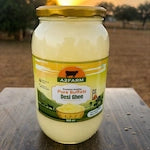
These festive dishes are the reason high-quality desi ghee matters. When ghee is the primary fat in a sweet, its flavor is central. Pure Desi Buffalo Ghee is a good option for laddoos and heavier sweets because it has a creamier, richer profile that pairs well with gram flour and sugar.
Quick Tips for Cooking with Ghee
Quick Tip 1: Add ghee at the very end of dal, khichdi, or plain rice, not at the beginning. The aroma compounds in desi ghee are volatile, which means they fade with long cooking. A finishing drizzle keeps the flavor at its strongest.
Quick Tip 2: When making festive sweets, group your sweet recipes in one cooking session. The ghee you use for one sweet can carry over naturally to the next, and you avoid wasting it on partial amounts.
How Much Ghee to Use in Indian Cooking
A common question is how much ghee is actually needed. Here is a simple guide based on dish type:
For phulka and paratha, use half a teaspoon per piece as a finishing layer. For dal tadka, use one to two teaspoons per serving. For khichdi, use one tablespoon for four servings. For ghee rice, use two tablespoons for two cups of rice. For sooji halwa and Mysore pak, use three to four tablespoons per cup of dry ingredient.
The idea is not to drench food in ghee but to use enough that its flavor registers clearly. Indian cooking is not afraid of fat, but traditional recipes have always worked with measured amounts that enrich without overwhelming.
Why A2 Desi Ghee Makes a Difference
Not all ghee is the same. Commercial ghee made from processed milk tastes mild and sometimes artificial. A2 Gir Cow Desi Ghee from A2Farm is made from milk of indigenous Gir cows using the traditional bilona method, where curd is hand-churned to extract butter, which is then slow-cooked into ghee.
This process preserves the natural A2 beta-casein protein, gives the ghee its characteristic golden color, and creates a deeper nutty aroma that shows up clearly when you use it in tadka or roast semolina for halwa.
For richer, heavier dishes and sweets, Pure Desi Buffalo Ghee offers a creamier fat profile that works particularly well in laddoos, Mysore pak, and paratha.
Both options are available at A2Farm's Pure A2 Gir Cow Desi Ghee and Pure Desi Buffalo Ghee. You can also browse the full collection if you want to explore other products.
Frequently Asked Questions
1. Which Indian recipes taste best with ghee?
Ghee rice, dal tadka, phulka, sooji halwa, khichdi, and Mysore pak are the strongest choices. These dishes either use ghee as the primary fat or depend on it for a finishing aroma that defines the flavor.
2. Is ghee better for Indian cooking than refined oil?
For tadka, finishing dishes, and sweets, desi ghee produces a flavor and aroma that refined oil cannot replicate. Ghee also has a higher smoke point than butter, making it more stable for high-heat cooking.
3. How much ghee should I use per day?
In traditional Indian cooking, one to two teaspoons per meal per person is considered a healthy, flavorful amount. For sweets and festive dishes, amounts are naturally higher because ghee is part of the structure of the recipe.
4. Can I use cow ghee and buffalo ghee in the same recipes?
Yes. Both work well across all Indian recipes. Cow ghee is lighter with a more aromatic finish, which suits everyday dishes. Buffalo ghee is richer and creamier, which suits heavier sweets and parathas.
5. What is the bilona method and why does it matter?
The bilona method involves churning full-fat curd slowly to extract butter, then cooking it into ghee. This traditional process gives the ghee a more complex flavor, a grainy texture in some batches, and a higher concentration of natural nutrients compared to ghee made by direct cream separation.
A Simple Way to Start
If you have never used desi ghee regularly in your cooking, start with one change. The next time you make dal, skip the oil tadka and use one tablespoon of pure A2 Gir Cow Desi Ghee instead. Notice the difference in aroma, finish, and how the dal tastes when you eat it.
That one change will tell you everything you need to know about why Indian recipes using ghee have stayed the same for generations.