
How to Make Ghee Khichdi at Home: The One-Pot Comfort Meal That Never Fails

There are some days when nothing feels right. You are tired, your stomach is off, or you just want something warm and simple that does not demand too much from you. On those days, my family always makes ghee khichdi. No drama, no fancy ingredients, no elaborate setup. Just rice, moong dal, a handful of spices, and a generous spoonful of pure desi ghee on top.
I am 22, and I have grown up watching this dish get made on rainy afternoons, sick days, and even regular weekday evenings when no one felt like cooking anything heavy. My grandfather has been eating it for years, and honestly, after watching how it helped him stay light and comfortable, I started paying close attention to how it is actually made and why it works so well.
This blog is my honest guide to ghee khichdi — the way we actually make it at home, with both pressure cooker and stovetop methods, exact quantities, and everything I know about why the right ghee makes all the difference.
What Makes Ghee Khichdi So Special for Indian Homes
Before we get into the recipe, let me tell you why this dish has survived centuries of Indian cooking without anyone getting bored of it.
Ghee khichdi is a one-pot meal that combines rice and moong dal into a soft, slightly mushy dish that is easy on the stomach and deeply satisfying. It is naturally vegetarian, takes under 30 minutes in a pressure cooker, and needs almost no planning.
It Works for Every Occasion
Whether you are feeding someone recovering from an illness, cooking a quick weekday dinner, or just craving Indian comfort food, khichdi covers it all. Serve it with curd, pickle, or papad, and it becomes a full, rounded meal.
The Role of Ghee Cannot Be Understated
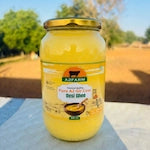
Here is what most basic recipes skip: the quality of ghee you use changes the entire dish. A good, pure desi ghee brings warmth and a deep, nutty aroma that lifts the whole bowl. We use A2 Gir Cow Ghee from A2 Farm at home, and the difference is genuinely noticeable — it has a richer flavour and a cleaner finish compared to the regular refined stuff.
A2 ghee is made from the milk of indigenous Gir cows, which is why it tastes distinctly different. If you have never tried it in a recipe like this, ghee khichdi is the perfect place to start because the ghee is front and centre here, not buried under a dozen other flavours.

Ingredients for Ghee Khichdi (Serves 3 to 4)
Here is exactly what you need. Nothing exotic, nothing hard to find.
For the base:
- Rice — ¾ cup (short or medium grain works best; basmati is fine too)
- Moong dal (split yellow lentils) — ½ cup
- Water — 3.5 to 4 cups
- Turmeric — ½ teaspoon
- Salt — 1 to 1.5 teaspoons (adjust to taste)
- Ginger — 1 inch piece, grated or finely chopped
For the cumin tadka:
- A2 Gir Cow Ghee — 2 tablespoons (plus extra for finishing)
- Cumin seeds — 1 teaspoon
- Hing (asafoetida) — a small pinch
- Dry red chilli — 1 (optional, depending on your preference)
To serve:
- Fresh curd on the side
- Pickle or achaar
- Papad, roasted or fried
Can You Substitute Anything?
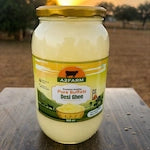
Yes. If you do not have moong dal, you can use toor dal (split pigeon peas), though the texture will be slightly firmer and less soft. For A2 ghee, you can also use Pure Desi Buffalo Ghee from A2 Farm, which has a bold, creamy character and works beautifully in tadkas.
Prep and Soaking
This step is often skipped, but it genuinely helps.
Rinse the rice and moong dal together under cold water 2 to 3 times until the water runs mostly clear. Then soak them together in fresh water for 20 to 30 minutes. Soaking softens the dal and helps everything cook more evenly, giving you that classic soft and mushy texture that makes khichdi so comforting.
While the rice and dal soak, grate your ginger and keep all your spices measured and ready. The whole process moves fast once you start cooking, so having everything in place helps.
Pressure Cooker Method (Quickest Way)
This is how most Indian households make ghee khichdi on weekdays. The whole cooking process takes about 15 to 18 minutes once you start.
Step 1: Start the Tadka
Heat a pressure cooker on medium flame. Add 1.5 tablespoons of A2 Gir Cow ghee. Once it is warm (not smoking), add cumin seeds. Wait for them to splutter — this takes about 30 seconds.
Add the pinch of hing and the grated ginger. Stir for another 30 seconds until the ginger smells fragrant. If you are using a dry red chilli, add it here.
Step 2: Add the Dal and Rice
Drain the soaked rice and moong dal and add them directly to the cooker. Stir them around for a minute so they get coated in the ghee and spices. This step adds a slightly toasty, nutty depth to the final dish.
Step 3: Season and Add Water
Add turmeric, salt, and water. Stir everything together. The rice:dal:water ratio for a soft, comforting khichdi is roughly 1.25 cups grain to 3.5 to 4 cups water. If you prefer a thicker khichdi, use 3 cups of water. For a more porridge-like consistency, go up to 4.5 cups.
Step 4: Pressure Cook
Close the lid and cook on high flame until you get the first whistle, then lower the flame and cook for another 2 whistles. Turn off the heat and let the pressure release naturally. Do not rush this — letting it sit for 10 minutes helps the khichdi finish cooking gently in the residual steam.
Step 5: Finish with Ghee
Open the cooker. The khichdi should look soft and slightly loose — it will thicken as it sits. Stir it gently. Now add half a tablespoon of A2 ghee directly on top and let it melt in. This final spoon of desi ghee is what gives the dish its warmth, sheen, and that unmistakable comforting aroma.
Serve immediately. It tastes best fresh.
Stovetop Method (For a Slower, Richer Flavour)
If you have more time or do not own a pressure cooker, the stovetop version is equally good — and some would say even better because you can control the texture more closely.
How to Do It
Follow the tadka steps exactly as above in a heavy-bottomed pot. After adding the soaked rice and dal, stir them with the spices for a minute. Add water (use 4.5 cups for stovetop since more evaporates), turmeric, and salt.
Bring to a boil, then lower the flame to medium-low and cover partially. Cook for 25 to 30 minutes, stirring every 5 to 7 minutes to prevent sticking. You will know it is done when the rice and dal have completely broken down and the mixture looks thick and uniform.
Finish with a generous spoon of ghee before serving.
The A2 Ghee Tadka: Why It Matters
A lot of recipes add ghee only at the beginning as a cooking fat. But the best ghee khichdi uses ghee twice: once to build the tadka base and once as a finish right before serving.
The reason is simple. Ghee that is cooked from the start adds richness to the base. But the final spoon of ghee added after cooking is what you actually smell and taste on the surface. It sits on top of the hot khichdi and releases its aroma directly into the air as you eat.
This is why the quality of the finishing ghee matters so much. A2 Gir Cow Ghee has a distinctive, slightly sweet, nutty aroma that comes from the traditional bilona churning process used to make it. It is not just a fat — it is a flavour. And in a dish as simple as ghee khichdi, every flavour counts.
If you are curious about other ways to use ghee in cooking, the A2 Farm cooking blog has a good collection of recipes that go beyond the basics.
Variations Worth Trying
Once you are comfortable with the base recipe, here are some easy ways to make it different without overcomplicating things.
Masala Khichdi
Add finely chopped tomato, onion, green chilli, and a teaspoon of coriander powder along with the turmeric. This version is fuller and more flavourful, closer to a complete meal on its own.
Palak Khichdi
Blanch a handful of fresh spinach and blend it into a paste. Stir this into the khichdi halfway through cooking. The result is a vivid green, iron-rich bowl that still tastes entirely comforting.
Gujarati-Style Moong Dal Khichdi
This is the simplest version — just rice and moong dal with minimal spice, cooked very soft, and finished with an almost indulgent amount of ghee. It is what they feed you when you are unwell in Gujarat, and it is genuinely one of the best things you can eat.
Bengali-Style Khichuri
This uses whole moong or masoor dal with rice, cooked with ginger, bay leaf, and often a little garam masala. The consistency is slightly thicker and the flavour warmer. Great for rainy days.
Serving Ideas
Ghee khichdi is a complete meal, but here is how to make it feel even better:
- Curd on the side — the coolness balances the warmth of the khichdi perfectly
- Achar (pickle) — the sharpness cuts through the soft, mild flavour
- Papad — adds crunch and texture to what is otherwise a very soft meal
- A drizzle of extra ghee — always welcome, especially in winter
You can also serve it alongside a simple vegetarian stir-fried sabzi if you want a more complete dinner spread.
Storage and Reheating
Ghee khichdi thickens significantly as it cools. Store leftovers in an airtight container in the refrigerator for up to 2 days.
To reheat, add a splash of water and warm it on the stovetop or microwave. Stir well before serving. Add a small fresh spoon of ghee when reheating — it brings it back to life.

A Note on Comfort and Nutrition
Khichdi is not just nostalgic food. It is genuinely easy to digest, light on the gut, and made from ingredients that have been a part of Indian cooking for thousands of years. Rice and moong dal together provide carbohydrates and plant-based protein in a balanced combination. Turmeric has long been used in Indian kitchens for its anti-inflammatory properties. Ginger aids digestion. And ghee, especially A2 desi ghee, contains healthy fatty acids and fat-soluble vitamins.
This is why doctors and elders alike recommend khichdi for recovery, for digestive issues, and even just as a regular one-pot meal in a busy week. It is not boring food. It is smart food.
If you want to explore more ghee-based recipes, check out the Desi Ghee Atta Halwa recipe, the Paneer Ghee Roast, or the warming Turmeric Latte with Ghee — all from the A2 Farm recipe collection.
FAQs About Ghee Khichdi
Can I make ghee khichdi without onion and garlic?
Yes, absolutely. This recipe is already onion-free and garlic-free. The cumin tadka with ginger and hing provides all the flavour base you need without them. It is also Jain-friendly.
Which rice works best for khichdi?
Short grain or medium grain white rice gives the softest result. Basmati works too but stays slightly more separate. Avoid parboiled rice as it does not break down as well.
Can I use only moong dal without rice?
You can, but the result will be more like a thick dal than a khichdi. The combination of rice and moong dal is what gives khichdi its characteristic texture and body.
How much ghee should I add?
For 3 to 4 servings, use 2 tablespoons total — 1.5 in the tadka and 0.5 as a finishing spoon. You can always add more at the table. There is no such thing as too much desi ghee in a bowl of khichdi.
Is ghee khichdi good for lunch or dinner?
Both. It is light enough for a quick lunch and warm enough to be a satisfying dinner. In cold months, it makes an especially good evening meal.
Quick Tips Before You Start
Tip 1: Always add the finishing ghee after cooking, not before serving. The residual heat of the khichdi melts it slowly and releases the aroma at the surface, which is where you want it. Pouring it over the top and then stirring it in makes a real difference.
Tip 2: Aim for a soft and mushy consistency — not a firm, grainy texture. Khichdi should be comforting and almost spoonable. If yours looks too thick, add a little warm water and stir over low heat for a minute. That is the version that Indian search engines — and Indian stomachs — actually love.
Explore the full range at A2 Farm and browse all our ghee products if you want to try the difference that real, traditionally made ghee makes in a recipe like this. You can also read more about Indian recipes using ghee on the blog.