
How to Make the Perfect Ghee Jeera Rice Bowl at Home (Restaurant Style)

I still remember the first time I tried making jeera rice with ghee on my own. It was a Sunday afternoon; my family had just come back from a long drive, and everyone was hungry. My mother was tired, and I thought, "How hard can jeera rice be?" Turns out, pretty hard when you do not know the right steps. The rice came out mushy, the cumin burned, and the whole thing smelled nothing like what we eat at dhabas.
That small failure pushed me to actually learn. I watched videos, read my grandmother's handwritten recipe book, and tested it over and over again. Now the ghee jeera rice bowl I make at home genuinely tastes better than what most restaurants serve. And today, I want to share everything I learned so you do not have to make the same mistakes I did.
What Makes a Ghee Jeera Rice Bowl Special
It Is Simple, but It Is Not Basic
A lot of people think jeera rice is just boiled rice with cumin thrown on top. That is not it. The real magic happens during the tempering, or what we call tadka in Hindi. When cumin seeds hit hot desi ghee, they crackle and release an aroma that you simply cannot fake with any substitute.
The quality of ingredients matters more here than in almost any other recipe. Because there are so few components, every single one shows up in the final taste. If the ghee is bland, the rice will be bland. If the rice is not soaked properly, it will turn sticky. If the jeera burns instead of crackling, the whole bowl tastes bitter.
This dish works as a quick lunch, a satisfying dinner, and honestly one of the best meal prep options if you batch-cook rice for the week. It pairs with dal, curry, raita, or even just a simple sabzi, and it never feels out of place.
The Bowl Format Changes Everything
Instead of just plating jeera rice as a side, building it as a proper ghee jeera rice bowl makes it a complete meal experience. You can add a scoop of dal on one side, a spoonful of raita on another, and finish with fresh coriander leaves on top. It looks good, it feels hearty, and it gives you the comfort of a proper home-cooked meal in about 30 minutes.

Ingredients You Will Need
For the Rice
- Basmati rice (1 cup, long-grain preferred)
- Water (2 cups for soaking, plus fresh water for cooking)
- Salt (to taste, around 3/4 teaspoon)
For the Tadka
- A2 ghee or desi ghee (2 tablespoons, plus a little extra to finish)
- Cumin seeds / jeera (1 teaspoon)
- Whole spices (2 cloves, 1 small bay leaf, 1 green cardamom, optional)
- Salt (adjust after mixing)
To Finish the Bowl
- Fresh coriander leaves (2 tablespoons, finely chopped)
- Lemon juice (a small squeeze, optional but recommended)
- A drizzle of A2 ghee right before serving
A Note on the Ghee
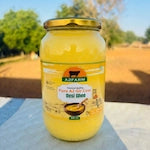
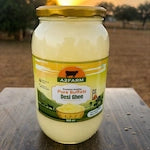
This is one recipe where the ghee is not just a cooking medium. It is the actual flavour. I use A2 Gir Cow Ghee from A2Farm because it comes from the traditional Bilona method, which gives it a deeper, nuttier aroma compared to commercial ghee. You can also try their Pure Desi Buffalo Ghee if you prefer a slightly milder finish.
The difference shows up clearly in this recipe because the aroma of the ghee is front and centre. A good quality A2 ghee makes the whole kitchen smell like a proper Indian kitchen.
Step-by-Step Recipe for Ghee Jeera Rice Bowl
Step 1: Soak the Rice
Soak the rice in water for at least 20 to 30 minutes before cooking. This is the step most people skip, and it is exactly why their rice ends up sticky or gluey. Soaking lets the grains hydrate evenly so they cook fluffy and separate.
After soaking, drain the water completely and rinse once more under cold water.
Step 2: Cook the Basmati Rice
Add the soaked rice to a pot with fresh water. The hot water to rice ratio I follow is 1.5 cups of water for 1 cup of soaked basmati. Add salt and a few drops of ghee to the water.
Bring it to a boil on medium heat, then reduce to low, cover, and let it cook for about 12 minutes. Once the water is absorbed, take it off the heat and let it rest, covered, for 5 more minutes. Do not lift the lid during this rest time. This is how you get fluffy rice without making it mushy.
If you are using a pressure cooker, cook on medium flame for 1 whistle, then let the pressure release naturally. The texture is slightly softer but still works well for this bowl.
Step 3: Prepare the Tadka
While the rice rests, heat a small pan on medium flame. Add desi ghee and wait until it shimmers, not smokes. Drop in the whole spices first if you are using them, cloves and bay leaf, and let them sizzle for about 15 seconds.
Then add the cumin seeds. You will hear them crackle almost immediately. Let them go for about 20 to 25 seconds until they turn a shade darker and the aroma becomes nutty and deep. Do not walk away during this step. The line between crackling jeera and burned jeera is only a few seconds.
Step 4: Fold the Rice Into the Tadka
Now gently fluff the cooked rice with a fork. Add it into the pan with the tadka and fold carefully using a spatula. Do not stir aggressively or you will break the grains. The goal is to coat every grain with the ghee and cumin without compressing the rice.
Taste and adjust salt here.
Step 5: Finish with Ghee and Serve
This is the tip that makes the biggest difference in aroma: add a small drizzle of fresh A2 ghee over the top just before plating. This step keeps the fragrance intense because cooking burns off some of the ghee's natural scent.
Top with freshly chopped coriander leaves and a squeeze of lemon if you like a slight brightness. Your restaurant-style jeera rice is ready.
How to Get Fluffy, Non-Sticky Rice Every Time
Getting fluffy rice is the single most important skill in this recipe. Here is what consistently works:
Soak the rice for at least 20 minutes. This is non-negotiable if you want separated grains.
Use the right water ratio. For soaked basmati, 1.5 cups of water per cup of rice is usually perfect. For unsoaked rice, go up to 2 cups.
Rest the rice after cooking. Five minutes of covered rest after the heat is off allows the steam to finish the job evenly.
Fold, never stir. When mixing with the tadka, use a gentle folding motion instead of mixing like you would a curry. This keeps the grains intact.
Add ghee to the cooking water. Just a few drops prevent the grains from clumping together during boiling.
These are the same techniques used across top cumin rice recipes, and they work every single time once you build the habit.
How to Build the Bowl and Serving Ideas
A ghee jeera rice bowl shines when you treat it as the base of a full meal rather than a side dish.
Classic Combinations
With dal: A simple tadka dal or moong dal on the side of the bowl makes this a complete protein-rich vegetarian meal. The dal soaks into the rice from the edges and creates a natural, comforting sauce.
With raita: Cucumber or boondi raita on the side cools the bowl and adds a creamy contrast to the warm, fragrant rice.
With sabzi: Any dry vegetable preparation, aloo jeera, bhindi, or lauki, works beautifully. The simplicity of the rice lets the vegetable shine.
For meal prep: Cook a larger batch of rice and store in an airtight container. Reheat with a tiny drizzle of ghee in a pan on low heat. It comes back to life within a few minutes and tastes just as good as fresh.
Why A2 Ghee Fits This Recipe Better Than Regular Ghee
Cumin rice with ghee is essentially a two-ingredient recipe in flavour terms. The cumin provides warmth and earthiness. The ghee provides richness, aroma, and a finishing depth that no oil can replicate.
A2 Gir cow ghee specifically is made using the traditional Bilona method, where curd is first churned to extract butter, and then that butter is slowly heated to produce ghee. This process preserves more of the natural fat-soluble vitamins and gives the ghee its characteristic grainy texture and rich smell.
If you have only ever used commercial ghee or dalda, switching to a good quality A2 ghee for this recipe will genuinely change your experience. You can browse the full range at A2Farm and find the one that suits your taste and budget.
For more ghee-based recipes that my family regularly makes, check out the ghee khichdi recipe, paneer ghee roast, and garlic mushrooms with A2 ghee on the A2Farm recipe blog. If you are curious about how ghee fits into everyday Indian cooking, the guide on Indian recipes using ghee and cooking with ghee is a great starting point.
5 FAQs About Ghee Jeera Rice Bowl
Q1. Can I use any rice for this recipe?
Basmati rice works best because its long grains stay separate and fluffy after cooking. Some traditional recipes use jeera samba rice, which is a shorter-grain variety popular in South India with its own earthy flavour. Avoid regular short-grain rice for this dish because it tends to clump and turns the bowl heavy.
Q2. Is ghee rice the same as jeera rice?
Not exactly. Jeera rice centres the flavour around cumin seeds with just enough ghee to carry the aroma. Ghee rice is generally richer, often includes more whole spices, caramelised onions, cashews, and sometimes raisins, and is more associated with festive or restaurant-style meals in South India. Both are delicious but they serve different purposes on a menu.
Q3. Can I make this in a pressure cooker?
Yes. Soak the rice as usual, then cook in the pressure cooker with the right water ratio on medium flame for one whistle. Let the pressure release naturally before opening. The texture is slightly softer than stovetop but still works perfectly for the ghee jeera rice bowl format.
Q4. What pairs best with this dish?
Dal, vegetable curry, raita, and simple home-style sabzi are the most natural pairings. Tadka dal is particularly good because the cumin in the dal echoes the jeera in the rice and creates a harmonious, cohesive meal. A cold boondi raita is a close second.
Q5. Why does A2 ghee specifically work better in this recipe?
Because this dish relies entirely on the ghee's aroma. A2 Gir cow ghee made using the Bilona method has a stronger, more nuanced fragrance than mass-produced ghee. Since there are no heavy spices or bold masalas to mask it, the quality of the ghee comes through directly in every bite. It is not marketing. It genuinely tastes different.
2 Quick Tips Before You Start
Tip 1: Add fresh ghee at the end, not just at the beginning. The ghee you use for the tadka gets partially cooked and loses some of its raw aroma during the frying process. Adding a small drizzle of fresh A2 ghee over the finished bowl keeps that warm, buttery fragrance alive in your serving.
Tip 2: Always soak the rice before cooking. This is the most consistent pattern across every good jeera rice recipe. Soaking for 20 to 30 minutes softens the grains evenly so they cook quickly without breaking. It is the single biggest difference between restaurant-quality fluffy rice and the sticky mess most home cooks end up with the first time.
The Takeaway
The ghee jeera rice bowl is one of those recipes that looks simple on paper but rewards you when you get every detail right. Soak the rice, crack the jeera in hot ghee, fold gently, and finish with a drizzle of fresh desi ghee and coriander. That is really all there is to it.
What makes it special is the quality of ingredients and the attention you give each step. A bowl of restaurant-style jeera rice made at home with proper A2 ghee and perfectly fluffy basmati rice is something that never gets old. It works for a weekday lunch, a laid-back family dinner, or a meal prep session that sets you up for the whole week.
Try it once properly, and you will stop ordering plain rice at restaurants altogether.