
How to Make Ghee Roasted Makhana That Stays Crispy Every Single Time

A personal recipe with the real technique behind perfectly crunchy phool makhana
There is a particular sound that takes me straight back to my grandmother's kitchen. That soft crackling noise of fox nuts tumbling around in a hot kadai, with the warm, nutty smell of desi ghee filling the whole room. She used to make ghee roasted makhana every evening without fail, a small bowlful ready on the table before anyone even asked.
I tried recreating it for months and kept getting soft, chewy makhana that tasted nothing like hers. Too high a flame. Not enough ghee. Packed away too soon. I made every mistake you can make before I finally got it right.
This post is exactly that: everything I figured out the hard way so you do not have to. By the end, you will know how to make crispy makhana snack at home that stays crunchy, smells incredible, and works as a healthy Indian makhana snack any time of day.
What Is Makhana and Why Does Ghee Make All the Difference
Before we get into the recipe, it helps to know what you are working with. Phool makhana, also called fox nuts or lotus seeds, are the puffed seeds of the lotus plant. They are incredibly light, almost like a cloud when you pick one up, and completely neutral in flavor on their own.
That neutrality is both a strength and a challenge. It means phool makhana absorbs whatever you cook it with. Use flavorless oil and you get flavorless roasted makhana. Use A2 ghee and you get something that smells and tastes like an actual Indian snack should.
The fat matters here more than almost anything else. Ghee coats every fox nut evenly, conducts gentle heat, and brings its own rich, slightly caramelized flavor into the mix. Refined oil just cannot do that. This is why nearly every traditional phool makhana recipe with ghee from older Indian kitchens uses desi ghee specifically.
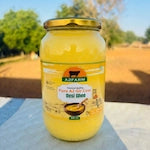
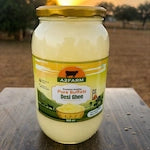
I now use A2 Gir Cow Ghee for this recipe. It has a noticeable depth of aroma that lighter ghee does not, and it makes the crunchy makhana smell exactly the way I remember. If you prefer a slightly milder finish, the Pure Desi Buffalo Ghee works beautifully too.
Ingredients for the Perfect Ghee Roasted Makhana
What You Need
For two generous servings, gather:
- 2 cups phool makhana (fox nuts), clean and dry
- 1.5 tablespoons A2 ghee (do not skimp here)
- 1/4 teaspoon turmeric powder
- 1/3 teaspoon black pepper powder
- 1/2 teaspoon chaat masala
- Salt to taste
That is genuinely all you need. The whole beauty of this crispy makhana snack recipe is its simplicity. A short ingredient list, no deep frying, and under fifteen minutes from start to finish.
A Note on Choosing Good Makhana
Buy phool makhana that feels completely dry and light. Press one between your fingers. It should give a clean snap, not bend or feel soft. Soft lotus seeds before roasting almost always turn out chewy after, no matter how carefully you cook them.
Store your unroasted makhana in an airtight container away from moisture. They absorb humidity faster than you would expect.

How to Roast Makhana in Ghee: Step by Step
Step 1: Warm the Pan First
Put a wide kadai or pan on the stove and let it heat on low for a full minute before adding anything. The most common mistake people make is adding ghee to a cold pan. A slightly warm surface helps the ghee coat the makhana more evenly right from the start.
Step 2: Add the Ghee
Turn the flame down to low flame completely. Add your A2 ghee and let it melt gently. You are not looking for sizzling or smoking. You want just enough warmth to keep the ghee liquid.
Step 3: Add the Makhana
Tip in all the phool makhana at once and start stirring immediately. The goal in the first two minutes is making sure every single fox nut gets a thin coating of ghee. Move them around constantly with a wooden spoon or spatula.
Step 4: Roast Low and Slow
This is the most important part of the whole recipe. Keep the flame on low heat and keep stirring every thirty seconds. Do not walk away. Do not turn up the heat to rush things. High heat burns the outside of the makhana while leaving the inside soft and chewy.
After about eight to ten minutes on low flame, you will notice the makhana starting to look slightly golden and the aroma gets noticeably richer. The real test is to bite one. It should feel completely crunchy all the way through with no softness at the center.
Step 5: Add the Spices
Once the makhana are crispy, turn off the flame. This is key: add your turmeric, black pepper, chaat masala, and salt after turning off the heat. Spices burn quickly in a hot pan, and burned spices taste bitter. Off-heat seasoning means every lotus seed gets an even, vibrant coating with no bitterness.
Toss everything together quickly so the residual warmth helps the spices stick.
Step 6: Cool Before Storing
Spread the roasted makhana out on a flat plate or tray and let them cool completely at room temperature. Fifteen minutes is usually enough. Do not cover them while they are warm. Steam trapped inside the container softens them within hours.
Once cool, transfer to an airtight container. Stored properly, they stay crispy for up to a week.
Flavor Variations Worth Trying
The base recipe above is what I make most often, but ghee roasted makhana is very easy to customize. Here are a few variations that work well.
Chaat-Style Makhana
Add a squeeze of dried amchur powder and a pinch of red chili powder along with the chaat masala. This gives a tangy, street-food quality that is very hard to stop eating.
Simple Salted Ghee Makhana
Skip every spice and use only salt and black pepper. This is the version my grandfather preferred. When the A2 ghee quality is good, you honestly do not need anything else.
Mild Turmeric Makhana (Vrat-Friendly)
For fasting days, skip the chaat masala and use only turmeric, black pepper, rock salt (sendha namak), and ghee. This is a proper vrat snack that is clean, light, and satisfying.
Pepper and Jeera Makhana
Roast a small amount of crushed black pepper and jeera powder directly in the ghee for thirty seconds before adding the makhana. The infused ghee carries those flavors deep into every fox nut.
Common Mistakes and How to Fix Them
Why is my makhana chewy?
Almost always this is under-roasting. Give them two more minutes on low flame and keep stirring. Patience is the whole technique here.
Why do my makhana taste bitter?
Spices were added while the pan was still on the flame. Always season after turning off the heat.
Why did some makhana burn?
The flame was too high or the pan was too small. Use the widest pan you have so the makhana sit in a single layer, and keep the heat low throughout.
Why are they losing crunch after a day?
They were stored while still warm, or the container was not fully airtight. Let them cool completely and use a proper airtight container.
Storage and Meal Prep Tips
Ghee roasted makhana is genuinely one of the best things to batch-make on a weekend. One session gives you a week of snacking. A few pointers to keep them at their best:
- Always cool fully before sealing the container
- Use glass or steel airtight containers over plastic for longer crunch
- Keep away from direct sunlight and moisture
- Do not refrigerate. Cold and condensation ruin the texture very quickly.
If your makhana do go slightly soft after a few days, put them back in a dry pan on low flame for three to four minutes with no extra ghee. They will crisp right back up.
When to Eat Ghee Roasted Makhana
This is such a versatile healthy Indian makhana snack that it fits almost everywhere. Here is when I reach for a bowl most often:
- Tea time: A small bowl alongside chai is the classic pairing. The mild spice in the makhana works beautifully with the sweetness of tea.
- Evening hunger: Better than chips. Lighter, less oily, and you do not feel heavy afterward.
- Fasting days: With the right spice adjustments, this is a top-tier vrat snack that gives real energy.
- Travel snack: Packs well in a zip pouch, does not crumble, and does not smell up a bag.
- Mid-work snacking: Something to reach for during long work sessions when you want something crunchy without the guilt.

Why A2 Ghee Fits This Recipe Better Than Regular Ghee
I know I have mentioned A2 ghee a few times already, and there is a real reason for that beyond just personal preference.
A2 ghee is made from the milk of native Indian cow breeds like the Gir. The fat composition is different from standard commercial ghee, and that difference shows up clearly in high-heat applications like roasting. The aroma is deeper, the smoke point is higher, and the flavor it leaves behind is noticeably more satisfying.
When you make roasted makhana with A2 ghee, the fox nuts carry that aroma throughout the batch. It is not subtle. Even people who are not very particular about food have noticed the difference.
You can explore the full range of A2 farm products at a2farm.com and browse everything from the Gir Cow Ghee to the complete product collection.
If you enjoy cooking with ghee, there are some great posts to explore next. The Indian recipes using ghee guide covers a wide range of everyday dishes, and the cooking with ghee post explains the technique side in detail. For more snack ideas, the paneer ghee roast recipe is a personal favorite. And if you want something warming and comforting, the ghee khichdi recipe is exactly what a difficult evening calls for.
5 FAQs About Ghee Roasted Makhana
Q1. Can I use A2 ghee only, or will any ghee work?
You can use any good quality desi ghee, but A2 ghee gives a noticeably richer aroma and flavor. For everyday snacking, it makes a real difference worth trying at least once.
Q2. Why did my makhana turn out chewy even after roasting for a long time?
This usually means the makhana were either stored in humidity before cooking or the flame was too high and the outside crisped before the inside dried out. Use low flame consistently and start with completely dry fox nuts.
Q3. Can I add spices like chaat masala and black pepper?
Yes, but always add them after you turn off the flame. Adding spices to a hot pan burns them quickly and makes the whole batch taste bitter.
Q4. Is this recipe good for fasting (vrat)?
Absolutely. Just swap chaat masala for a pinch of black pepper and use rock salt instead of regular salt. It is a completely fasting-friendly vrat snack with good energy.
Q5. Is ghee roasted makhana a vegetarian snack?
Yes, fully vegetarian. The recipe uses only phool makhana, A2 ghee, and basic spices. No non-vegetarian ingredients at any step.
2 Quick Tips Before You Start
Quick Tip 1: Always let the roasted makhana cool for at least fifteen minutes on an open plate before putting them in any container. This single habit is what keeps them crispy for days instead of hours.
Quick Tip 2: Use the widest pan or kadai you own. A crowded pan means uneven roasting: some makhana burn while others stay soft. Space is the secret to a consistently crunchy batch.
Closing Thoughts
Ghee roasted makhana is one of those recipes that sounds simple and mostly is, except for the one thing everyone gets wrong: patience on low flame. Once you internalize that, the rest is easy.
A small bowl of warm, crispy, aromatic phool makhana with a good cup of chai is one of those genuinely uncomplicated pleasures that does not need any improvement. Start with good A2 ghee, keep the flame low, season off the heat, and let them cool properly.
That is genuinely all there is to it.