
Gajar Halwa Recipe With A2 Ghee: Traditional Gajar Ka Halwa

The first time I tried this gajar halwa recipe, I burnt the milk, undercooked the carrots and served a soupy bowl to my cousins. They ate it politely and never asked for seconds. Winter after winter, I kept fixing small mistakes until the halwa came out soft, glossy and fragrant.
This guide skips the guesswork. You get exact measurements, the carrots to buy, the stirring rhythm and the fixes for every common problem.
Quick facts:
- Prep time: 20 minutes
- Cook time: 50 to 60 minutes
- Serves: 4 to 5 people
- Diet: 100% vegetarian and eggless
What Is Gajar Ka Halwa?
Gajar ka halwa is a traditional Indian dessert made by slow-cooking grated carrots with milk, sugar, desi ghee and cardamom. It is especially popular in winter when fresh red carrots are available, and it is commonly finished with khoya and chopped nuts.
Many families also call it carrot halwa or gajrela. In North India, a steel container of warm gajar halwa shows up at weddings, Lohri gatherings and plain Sunday afternoons.
Why Gajar Halwa Belongs to Winter
Red carrots arrive in markets from November, and they are sweeter and juicier than the carrots you find in summer. That natural juiciness is what makes winter gajar halwa taste so different from an off-season attempt.
In my house, the first batch of the season was a small event. Someone always grated carrots on the front steps in the sun, and the kitchen smelled of cardamom by evening.
Which Carrots Are Best for Gajar Halwa Recipe?
This single choice decides half the flavour. Spend your effort here before you ever light the stove.
Delhi Carrots and Red Carrots
Red carrots, often sold as Delhi carrots, are the traditional pick for gajar ka halwa recipe lovers. They are tender, deep in colour and naturally sweet, so they cook down quickly and need less sugar.
Look for young carrots that feel firm and thin. A thick, woody core means the strands will stay chewy.
What If Red Carrots Are Not Available?
Regular orange carrots work well too. Pick the freshest ones you can find and grate them finely. They may need five to ten extra minutes of cooking, and you may want a spoon more sugar.
Avoid old, bendy carrots. They are fibrous and never turn silky, no matter how long you cook them.
Why I Use A2 Ghee in This Gajar Halwa Recipe
Ghee is not a background ingredient here. It roasts the carrots, carries the cardamom and gives the halwa its glossy finish.
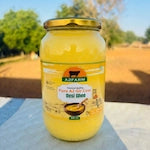
I use A2 Gir Cow Ghee because its aroma is warm and nutty, and a spoonful goes a long way. Fragrance matters in a dessert with so few ingredients. If you want to understand how the process differs, this explainer on bilona ghee vs normal ghee is a useful read.
For more on how I handle ghee in everyday cooking, see this guide to cooking with ghee.
Can You Make Gajar Halwa With Buffalo Ghee?
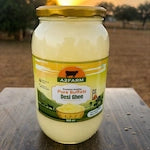
Yes, you can. Pure Desi Buffalo Ghee gives a richer, heavier taste with a creamier mouthfeel. Many households in Punjab and Haryana grew up with it in their halwa.
Cow ghee tastes lighter and more aromatic. Neither is wrong, so choose the one you like. If you are curious about the differences, here is a breakdown of buffalo ghee vs cow ghee.
Gajar Halwa Ingredients
These are the gajar halwa ingredients I use for a family-sized portion. Everything is vegetarian and eggless.
- 500 g fresh red carrots, peeled and grated
- 2 cups full-fat milk
- 2 to 3 tbsp A2 ghee, plus 1 tsp for roasting nuts
- ½ cup sugar, adjusted to taste
- ½ tsp cardamom powder (elaichi)
- ¼ cup khoya (mawa), optional
- 10 cashews, chopped
- 10 almonds, chopped
- 10 pistachios, sliced
- 1 to 2 tbsp raisins
You also need a heavy-bottom pan or kadhai. A thin pan scorches the milk quickly, and you will spend the whole cooking time scraping the base.
A Note on Sugar and Milk
Full-fat milk gives the creamiest result. Toned milk works too, but the halwa tastes a little lighter.
Start with ½ cup sugar. You can always add a spoon more at the end, but you cannot take it out.
How to Make Gajar Halwa Step by Step

Read through these steps once before you begin. The cooking is simple, but the timing matters. This traditional gajar halwa recipe rewards patience more than skill.
1. Wash, Peel and Grate the Carrots
Wash the carrots well, peel them and trim the tops. Grate them on the medium side of the grater.
Very thin shreds turn mushy, and thick ones stay crunchy. Medium strands give the soft texture you want.
2. Roast the Nuts
Heat 1 tsp ghee in the pan on low flame. Add the cashews, almonds and raisins and stir for about a minute until golden.
Add the pistachios last, since they brown quickly. Take everything out and set it aside.
3. Sauté the Carrots in A2 Ghee
In the same pan, heat 2 tbsp A2 ghee. Add the grated carrots and stir on medium flame for 8 to 10 minutes.
You will notice the raw smell fading and the colour deepening. This step builds flavour, so do not skip it.
4. Add the Milk and Cook Slowly
Pour in the milk and stir well. Cook on medium-low heat, stirring every minute or two.
This stage takes about 25 to 30 minutes. The milk reduces slowly, and the carrots soak up its flavour. Hurrying it with high heat only sticks the milk to the bottom.
5. Add the Sugar
Once most of the milk has evaporated, stir in the sugar. The mixture will turn loose and glossy again because sugar draws out moisture.
Do not panic. Keep stirring for another 8 to 10 minutes until it thickens.
6. Add More Ghee and Cook Until Thick
Add the remaining tablespoon of ghee. Stir until the halwa leaves the sides of the pan and the ghee begins to shine on the surface.
Visual Cue for Doneness
The halwa should look moist and glossy, with distinct carrot strands. If a spoon dragged through it leaves a clean path, it is ready.
7. Finish With Cardamom and Khoya
Turn the heat to low. Crumble in the khoya, add the cardamom powder and stir for two minutes until the khoya melts in.
8. Garnish and Serve
Fold in most of the roasted nuts and raisins. Keep a few aside for the top.
Serve warm. For another comforting ghee dessert from my kitchen, try this desi ghee atta halwa.
How to Get the Perfect Texture in Your Gajar Halwa Recipe
A good halwa is not watery and not dry. It sits somewhere in the middle, soft and spoonable, with strands that hold their shape.
Four things decide this:
- Slow cooking. Medium-low heat lets the carrots soften without breaking apart.
- Steady stirring. Frequent stirring prevents sticking and helps the milk evaporate evenly.
- Patient sugar stage. Wait for the loosened mixture to tighten again before adding more ghee.
- Stopping on time. Take it off the flame when it is glossy and moist.
Remember that halwa thickens as it cools. If it looks perfectly set on the stove, it may turn dry on the plate.
Common Mistakes While Making Gajar Halwa

Almost everything I learned about this dessert came from getting it wrong first. Here are the mistakes I see most often.
Using Old, Fibrous Carrots
Tough carrots stay chewy even after an hour of cooking. Always pick young, tender ones.
Cooking on High Heat
High heat burns the milk and leaves a bitter taste at the bottom of the pan. Stay on medium-low and be patient.
Forgetting to Stir While the Milk Reduces
The milk solids settle and scorch if you walk away. Set a reminder if you are multitasking.
Adding Too Much Sugar
Red carrots are naturally sweet. Taste before the final spoon of sugar goes in.
Overcooking After the Moisture Disappears
This is the most common reason for dry, crumbly halwa. Switch off the flame as soon as the ghee separates and the mixture turns glossy.
Quick Fixes at a Glance
- Too watery: cook a few more minutes on medium heat.
- Too dry: stir in two tablespoons of warm milk.
- Too greasy: you added ghee all at once, so add it in two parts next time.
- Raw carrot taste: the carrots needed longer in the milk stage.
Gajar Halwa Variations
Once the base recipe feels comfortable, you can change it in small ways. Each one suits a different mood or occasion.
Gajar Halwa With Khoya
This is the festive version. The gajar halwa recipe with khoya is richer and denser, and it is the one I make for Diwali and family gatherings. Use ¼ to ½ cup of crumbled mawa in the last step.
Gajar Halwa Recipe With Milk
The base recipe above is the classic gajar halwa recipe with milk. It tastes clean and creamy and lets the carrots lead.
Easy Gajar Ka Halwa With Condensed Milk
When you are short on time, this works well. Replace the sugar and part of the milk with sweetened condensed milk. It cuts the cooking time nearly in half, though the flavour is a little less traditional.
Instant Version in a Pressure Cooker
Sauté the carrots in ghee, add milk and pressure cook for two whistles. Then open and cook until thick.
Taste Compared to the Slow Method
It is quicker, but you lose some of the roasted depth.
Best Time to Choose It
Pick the quick method on busy weekdays and keep the slow version for special days.
Reduced-Sugar Version
Cut the sugar to ¼ cup and use very sweet red carrots. Add a few chopped dates if you want gentle sweetness. Taste as you go.
How to Store Gajar Halwa
Let the halwa cool completely, then move it to an airtight container. Refrigerate it and eat within three to four days.
To reheat, warm a portion in a pan on low heat. Add a small splash of milk if it looks dry.
Do not leave dairy-based halwa at room temperature for long periods, especially in warm weather.
What to Serve With Gajar Halwa
Warm gajar halwa is perfect on its own. A few pairings make it feel like a full dessert.
- A scoop of vanilla ice cream melting on top
- A spoon of chilled rabri
- Extra chopped nuts for crunch
- A glass of warm milk on the side
If you enjoy ghee-based sweets, you may also like this ghee coconut ladoo recipe. For a savoury snack on the same table, try ghee roasted makhana.
2 Quick Tips Before You Start
Quick tip 1: Do not rush the milk reduction. Slow cooking gives the carrots time to soften and lets the milk thicken on its own.
Quick tip 2: Do not overcook the final stage. Gajar halwa should stay soft and moist, never dry or crumbly.
Tell Me How Your Halwa Turned Out
Here is a quick poll for you. What is your favourite way to eat gajar halwa?
A. Warm with a spoon of ice cream
B. Plain and simple
C. Loaded with khoya and nuts
D. Cold from the fridge the next day
Drop your answer in the comments, along with any family twist you add to your carrot halwa recipe. I read every comment and I am always looking for new ideas.
A2 Farm Ghee for Traditional Indian Cooking
Good ghee changes simple recipes. If you want to try it yourself, explore A2 Farm for traditional desi ghee made the old way.
You can pick A2 Gir Cow Ghee for a light, aromatic finish or Pure Desi Buffalo Ghee for a richer taste. Browse the full A2 Farm collection for other traditional options.
Want more ideas? Here are plenty of Indian recipes using ghee to try next.
Gajar Halwa Recipe FAQs
1. Which carrots are best for gajar ka halwa?
Fresh, young red or Delhi carrots are traditionally preferred because they are tender, juicy and naturally sweet. Regular carrots work when red winter carrots are not available.
2. Can I make gajar halwa without khoya?
Yes. Traditional gajar halwa needs only carrots, milk, sugar, ghee and cardamom. Khoya is optional and mainly adds richness.
3. How much ghee should I use for gajar halwa?
For 500 g carrots, 2 to 3 tablespoons of ghee gives a balanced homemade result. Adjust it to the richness you like.
4. Why is my gajar halwa watery?
Carrots and sugar both release moisture. Keep cooking on low to medium heat until the excess liquid evaporates and the halwa turns thick but still soft.
5. Can I use A2 ghee for gajar halwa?
Yes. A2 ghee works exactly like any desi ghee in this recipe. It is especially good for sautéing the carrots and finishing the halwa.
Final Thoughts
A good gajar halwa asks for three things: fresh carrots, patient heat and a spoon of fragrant ghee. Everything else is flexible. Your first batch may not look perfect, and that is fine, since mine certainly did not.
Cook it slowly, taste as you go and share it while it is warm. Then tell me in the comments how it turned out.