
How to Make Ghee Coconut Ladoo That Actually Melts in Your Mouth (My Family's Festive Secret)

I still remember the first time I tried making ghee coconut ladoo on my own. It was two days before Diwali, my mom was travelling, and my granny had left me this little handwritten notebook of her home remedies and recipes. I flipped through the yellowed pages and found a simple coconut ladoo recipe with ghee that she had written down years ago, back when she used to cook for a big joint family during every festival season.
The problem? I burned the first batch. The second batch refused to hold shape. By the third try, I finally understood what she meant by "roast on low flame until the coconut speaks to you." Strange advice, right? But she was not wrong.
This blog is me passing on everything I learned, so you skip the three failed batches and go straight to the soft, fragrant, perfectly round nariyal ladoo that everyone at the table will ask about.
Why This Ghee Coconut Ladoo Recipe Actually Works
Most coconut ladoo recipes you find online are either too basic or skip the steps that matter. A lot of them treat ghee as an afterthought, just a tablespoon at the end for shine. But in my family's approach, A2 ghee is the base. You roast the coconut in it from the start, and that changes everything.
When you roast fresh coconut or desiccated coconut in A2 Gir Cow Ghee, the fat coats every strand of coconut and carries the aroma deep into the mixture. The result is a festive Indian sweet that does not just taste sweet. It smells like a celebration before it even reaches your mouth.
Here is what makes this recipe stand out from the others:
- Roasting in A2 ghee instead of adding it later gives a richer, more layered flavour.
- Low flame throughout keeps the coconut soft and prevents it from turning chewy or burnt.
- Jaggery option makes it more traditional and gives the ladoo a warm, earthy sweetness.
- Cardamom added at the end keeps the aroma strong and fresh, not cooked away.

Ingredients and Substitutions
What You Will Need
For about 15 to 18 ghee coconut ladoos:
- 2 cups desiccated coconut (or grated fresh coconut, both work equally well)
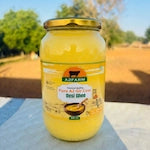
- 3 tablespoons A2 Gir Cow Ghee (do not reduce this)
- ½ cup jaggery (powdered, or you can use regular sugar if you prefer)
- ½ teaspoon cardamom powder
- 2 tablespoons chopped cashews and raisins (optional but recommended)
- A pinch of salt to balance the sweetness
Substitutions That Work
Fresh coconut vs desiccated coconut: Fresh coconut gives a softer, juicier texture. Desiccated coconut is faster to work with and stores longer. Both versions make excellent nariyal ladoo and it is really a matter of what you have at hand.
Jaggery vs sugar: Jaggery is the traditional choice and fits the jaggery coconut ladoo profile that many Indian households prefer during festivals like Ganesh Chaturthi or Raksha Bandhan. Sugar gives a cleaner, milder sweetness and works well if you are making these for children who find jaggery too earthy.
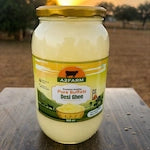
Ghee: Please do not swap the ghee for oil. The whole recipe depends on it for roasting, for aroma, and for binding. If you have Pure Desi Buffalo Ghee at home, that works for a slightly different richness. But for the best traditional result, A2 Gir Cow Ghee is the right pick.
Step-by-Step Coconut Ladoo Recipe Method
Step 1: Warm the Ghee
Place a heavy-bottomed pan or kadai on the stove. Set the flame to low. Add the A2 ghee and let it melt slowly. Do not rush this. The pan should feel warm, not smoking.
Step 2: Roast the Coconut
Add the desiccated coconut (or fresh grated coconut) directly into the melted ghee. Stir continuously. This is the step where most people make a mistake because they walk away. Do not walk away.
Keep stirring on low flame for 5 to 7 minutes. You will know the roasted coconut is ready when it turns a very light golden colour and smells nutty and warm. It should not turn brown. If it does, your flame was too high.
Step 3: Add Jaggery or Sugar
Take the pan off the flame for 30 seconds. Then add the powdered jaggery (or sugar). Put the pan back on the lowest possible heat and stir to combine. The jaggery will melt and coat the coconut evenly. If you are using jaggery, the mixture will turn a warm caramel colour and that is exactly what you want.
Keep stirring for another 2 to 3 minutes. The mixture should start coming together and leaving the sides of the pan. This is your cue.
Step 4: Add Nuts, Raisins, and Cardamom
Take the pan off the heat completely. Add the chopped cashews, raisins, and finally the cardamom powder. Adding cardamom after the heat is off keeps the aroma bold and fresh. Stir everything together well.
Step 5: Shape the Ladoos
Let the mixture cool for 3 to 4 minutes. You want it warm but not burning. Grease your palms lightly with a tiny bit of ghee. Take a small portion and press it firmly into a ball. Roll it between your palms in smooth, circular movements.
If the mixture is crumbling, it is still too hot. Wait another minute. If it is not coming together at all, it might need another minute on low heat.
Place each finished ladoo on a plate or tray. They will firm up as they cool completely.
Texture Cues and Common Mistakes
This is the section I wish I had found before my first three failed attempts.
How to Know the Mixture Is Ready to Roll
The mixture is ready when it leaves the sides of the pan cleanly, feels slightly sticky (not wet), and holds its shape when you press a small amount between two fingers. If it feels dry and crumbles, add half a teaspoon of warm ghee and mix again.
The Most Common Mistakes
Flame too high: This burns the coconut on the outside while keeping the inside raw. Always use the lowest flame your stove can hold for the roasting step.
Adding cardamom too early: Cardamom aroma evaporates quickly under heat. Add it after the pan is off the stove.
Not stirring continuously: Coconut sticks and burns fast. Keep moving it in the pan.
Rolling when too hot: The mixture will not hold shape when hot. Be patient and let it cool to just warm before shaping.
Using cold ghee or skimping on it: The A2 ghee for sweets needs to be warm and generous. It is what binds the ladoo and gives it that clean, melt-in-mouth finish.
Variations: Jaggery, Sugar, Nuts, and Dry Fruit
Jaggery Coconut Ladoo (Traditional)
This is the version closest to what you would find in a South Indian kitchen during Ganesh Chaturthi or Janmashtami. Use dark jaggery for a deeper colour and more complex sweetness. Some families also add a small piece of dry ginger with the jaggery for a warming note in winter months.
Sugar Coconut Ladoo (Mild and Clean)
If you prefer a lighter, more neutral sweetness or if you are making these for a mixed family with different palates, go with regular sugar. You can also add a tablespoon of condensed milk for a creamier texture that holds shape beautifully.
Nutty Coconut Ladoo (Festive and Crunchy)
Double the cashews. Add slivered almonds. Toss in a few raisins and some chopped dried cranberries for a pop of colour. This version is especially good for Diwali boxes and gifting because it looks impressive and has multiple textures in every bite.
Colour-Coated Coconut Ladoo
Roll the finished ladoos in extra desiccated coconut for a snowy look. Or divide the extra coconut into two portions and tint one with a pinch of saffron soaked in a teaspoon of warm milk. Beautiful for festive platters.
Storage and Shelf Life
Room temperature: Store in an airtight container. Ladoos made with desiccated coconut last 5 to 7 days at room temperature in a cool, dry spot.
Refrigerator: They keep well for up to 2 weeks in the fridge. Let them come to room temperature for 10 minutes before serving so the ghee softens and the flavour opens up.
Fresh coconut version: Because fresh coconut has more moisture, consume within 2 to 3 days if kept at room temperature. Refrigerate and use within a week.
Tip: Do not store ladoos in humid conditions. Moisture is the only enemy of a perfectly firm ghee coconut ladoo.
Best Occasions to Serve This Indian Sweet
Diwali is the obvious one. A box of homemade coconut ladoos tied with a ribbon is one of the most heartfelt gifts you can give. But this recipe fits every festival in the Indian calendar.
Make a big batch for Raksha Bandhan, where sweets are central to the ritual. Offer them as prasad during Ganesh Chaturthi and Janmashtami. Keep a small jar ready during Navratri when people are fasting and want something naturally simple and satisfying. And honestly? They are just as good on a random Tuesday when you want a proper, real Indian sweet that did not come out of a factory box.
More A2 Farm Recipes to Try
If you enjoyed this recipe, here are a few more from the A2 Farm kitchen that belong on your cooking list:
- Desi Ghee Atta Halwa: the classic winter warmer, made the right way
- Ghee Roasted Makhana: the easiest healthy snack you will keep making
- Ghee Khichdi Recipe: comfort food for every season
- Indian Recipes Using Ghee: a full collection worth bookmarking
- Cooking with Ghee: everything you need to know about using ghee the right way
For the purest A2 ghee for cooking and sweets, explore the full A2 Farm collection.
Frequently Asked Questions
Q1. Can I make ghee coconut ladoo with fresh coconut?
Yes, absolutely. Fresh coconut gives a softer and juicier texture compared to desiccated coconut. The ladoo will be more fragrant too. The only difference is that fresh coconut releases some moisture during roasting, so you may need to roast it a minute or two longer until that moisture dries out. Fresh coconut ladoos should be consumed within 2 to 3 days since fresh coconut does not last as long.
Q2. Can I use jaggery instead of sugar in this recipe?
Yes, and many traditional Indian households actually prefer jaggery. It pairs beautifully with the nuttiness of roasted coconut and the richness of A2 ghee. Jaggery gives the ladoo a warm caramel colour and a more complex, earthy sweetness that feels right during festivals. Just make sure to use powdered jaggery so it melts evenly into the mixture.
Q3. How do I stop the coconut from burning while roasting?
The answer is always the same: low flame and continuous stirring. The moment you increase the flame or leave the pan unattended, the coconut at the bottom will scorch. A heavy-bottomed pan or kadai helps distribute the heat evenly. If you do not have one, use the thickest pan you own and keep the flame at the absolute minimum.
Q4. When is the mixture ready to roll into ladoos?
The mixture is ready when it pulls away cleanly from the sides of the pan and holds its shape when you press a small amount between your fingers. It should feel warm and slightly sticky, not wet or crumbly. Once it reaches that stage, take it off the heat and let it cool for 3 to 4 minutes before rolling.
Q5. Can I make this instant coconut ladoo with A2 ghee ahead of time for festivals?
Yes, and it is actually better when made a few hours ahead. The ladoos firm up nicely as they cool and the flavours settle together. Make them the morning of the festival or even the night before. Store in an airtight container at room temperature and they will be perfect when it is time to serve or gift them.
Quick Tips Before You Start
Quick Tip 1: Add cardamom powder only after you take the pan off the heat. Cardamom is highly aromatic but that aroma disappears quickly when exposed to direct heat. Adding it at the end keeps every ladoo fragrant from the first bite to the last.
Quick Tip 2: Roll the ladoos while the mixture is still warm, not hot and not cold. Warm is the sweet spot. If the mixture cools too much, it stiffens and cracks when you try to shape it. If it is too hot, it will not hold a round shape. Aim for just-warm-enough-to-handle and you will get clean, smooth ladoos every time.
The whole point of this recipe is to keep it real and doable. You do not need a fancy kitchen or expensive equipment. You need a good pan, a low flame, some patience, and quality A2 ghee. Get those four things right and the ladoos will take care of themselves.
Try this recipe before the next festival and let me know in the comments how it turned out. And if you are curious about more recipes built around real, trusted ingredients, the A2 Farm blog has you covered.