
Ragi Banana Pancakes with A2 Ghee: Soft, Eggless and Healthy Indian Breakfast

There is one morning I still think about. My grandfather was sitting at the kitchen table, looking at his usual plain breakfast with zero excitement. He had been managing diabetes for years, so most of the sweet things he loved were quietly removed from the table one by one. That morning, the whole family was watching him eat something that felt more like medicine than food.
My grandmother had been quietly filling a small notebook with recipes, home remedies, and food ideas that could actually work for someone managing blood sugar without giving up on taste. One page had a recipe scribbled in her neat handwriting: ragi banana pancakes cooked in desi ghee. She had read about finger millet being good for calcium, iron, and fiber. She had heard that a ripe banana brings enough natural sweetness that you do not need any sugar at all. And she trusted A2 ghee the way she trusted everything that came from a good Indian kitchen.
That morning changed a lot of things. I started paying attention to what we were eating and why. And today I want to share this recipe with you because it is genuinely one of the easiest, most satisfying things you can make for a healthy Indian breakfast.
Why Ragi Banana Pancakes Work So Well for Indian Homes
The Problem with Regular Breakfast Options
Most Indian breakfast routines lean on bread, white flour, or too much sugar. If you have children at home or elders managing health conditions, that is not always the smartest choice. Ragi flour, made from finger millet, is one of the most nutritious grains you can bring into your kitchen. It is rich in calcium, iron, and dietary fiber, making it ideal for growing kids, diabetics, and anyone wanting a genuinely healthy breakfast.
Why Banana Is the Perfect Partner
A very ripe banana does three things in this batter. First, it replaces sugar completely because the fruit brings enough natural sweetness on its own. Second, it acts as a binding agent, which is exactly why this is a perfect eggless recipe for Indian vegetarian households. Third, it keeps the pancakes soft and moist instead of the dense, dry texture that ragi can sometimes produce on its own.
The Role of A2 Ghee
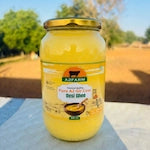
This is the part that takes the recipe from good to genuinely special. Cooking these pancakes in A2 Gir Cow Ghee instead of regular oil or refined butter gives the final result a warm, nutty aroma that is completely different from anything a regular non-stick spray can offer. The bilona ghee made from A2 cow milk has a richness that coats each pancake with flavor from the very first bite. If you have not tried A2 Gir Cow Desi Ghee in your everyday cooking yet, this recipe is a perfect starting point.
Ingredients and What Each One Does
For the Eggless Vegetarian Version (Serves 2 to 3)
- 1 cup ragi flour (finger millet flour, the base and nutrition powerhouse)
- 2 very ripe bananas, mashed well (natural sweetness and binding)
- 1/2 cup milk (whole milk works best for softness)
- 2 tablespoons whole wheat flour / atta (helps with structure and lightness)
- 1/2 teaspoon baking powder (gives a gentle rise for fluffy texture)
- 1/4 teaspoon cardamom powder (optional but adds a lovely desi warmth)
- A pinch of salt
- 1 to 2 teaspoons A2 ghee per batch for cooking on the tawa
The beauty of this ingredient list is its simplicity. No refined sugar. No eggs. No complicated items. Everything you need is already sitting in a well-stocked Indian kitchen.
How to Make Eggless Ragi Banana Pancakes with A2 Ghee
Step 1: Mash the Banana
Take two very ripe bananas and mash them completely in a mixing bowl. The riper the banana, the sweeter and softer your pancakes will be. A fork works fine. You want a smooth paste with as few lumps as possible.
Step 2: Build the Batter
Add the ragi flour, whole wheat flour, baking powder, cardamom, and salt to the mashed banana. Mix everything together. Now slowly pour in the milk, a little at a time, and stir as you go. You are looking for a thick, pourable batter. Not too runny, not too stiff. It should fall off a spoon in a slow, steady stream.
Let the batter sit for five minutes. This short rest allows the ragi flour to absorb the moisture properly, which gives you a much better texture on the tawa.
Step 3: Heat the Tawa
Place your tawa or skillet on medium-low heat. This is important. Ragi pancakes burn quickly on high heat because of the natural sugars in the banana. Let the pan heat up properly before you start.
Once warm, add about half a teaspoon of A2 ghee and let it coat the surface. The moment the ghee melts and you catch that first hint of its warm, buttery aroma, you know it is ready.
Step 4: Cook the Pancakes
Pour a small ladle of batter onto the center of the tawa. It will spread into a small, thick circle. Do not flatten it or press it down. Let it cook on low to medium heat for about two minutes until you see small bubbles forming on the surface and the edges look set.
Carefully flip it with a spatula and cook the other side for another minute to a minute and a half until it is golden brown. Repeat with the remaining batter, adding a little A2 ghee with each new batch.
This is the part my grandmother was very particular about. She always said the ghee is not just for preventing sticking. It is for flavour. And she was right.
Optional: A Slightly Fluffier Version
When You Want Extra Lift
If you want a slightly thicker, more fluffy pancake and are open to a small variation, you can add two tablespoons of plain yoghurt (dahi) to the batter. Yoghurt reacts with baking powder to create a softer, airier texture without changing the overall vegetarian, eggless nature of the recipe. The banana still handles all the sweetness. The ragi still provides all the nutrition. The yoghurt just gives a gentle lift.
This version works especially well when you are making the pancakes for older kids who might be used to a certain softness in their breakfast food.
Cooking Tips for Soft, Non-Burnt Ragi Pancakes
Getting ragi banana pancakes right on the first try is very easy once you know a few things.
Keep the heat low. This is the most important tip. Ragi and banana both have natural sugars that brown fast. Medium-low flame throughout is the sweet spot.
Do not make the batter too thin. A thin batter spreads too much and makes crispy edges instead of soft centers. Thick batter holds its shape better on the tawa.
Rest the batter. Even five minutes of resting improves the final texture significantly. Ragi absorbs liquid slowly, so giving it time makes a real difference.
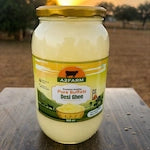
Ghee over oil, always. Refined oil gets the job done but adds nothing. A2 ghee adds depth of flavour, helps achieve an even golden brown colour, and makes the kitchen smell incredible. If you want a richer, deeper version with a more intense desi flavour, try Pure Desi Buffalo Ghee as an alternative. The buffalo ghee has a slightly heavier, creamier taste that works beautifully for a more indulgent breakfast batch.
Small pancakes are easier to flip. Keep each pancake about the size of your palm. They cook more evenly and flip cleanly without breaking.
Why A2 Ghee Improves Taste, Richness and Nutrition
There is a reason traditional Indian cooking has used desi ghee for centuries and it was not just about taste. A2 Gir Cow Ghee made using the bilona method retains the natural goodness of the milk in a way that commercial butter or refined oil simply does not.
When you cook your ragi pancakes in bilona ghee, the fat helps carry the fat-soluble nutrients from the ragi and banana more effectively. It also has a higher smoke point than most cooking oils, which means it does not break down or turn harmful at the temperatures you are using on your tawa.
For our family, switching to A2 ghee was not a lifestyle choice. It was a practical one based on what we saw working at home. My grandfather's breakfast improved. The food tasted better. And the choice of fat suddenly felt like something worth thinking about.
If you want to read more about how ghee transforms everyday Indian cooking, the Cooking with Ghee guide on the A2Farm blog is a really good place to start. And if you are looking for more recipe inspiration, the Best Indian Recipes Using Ghee collection has everything from ghee khichdi to roasted makhana and atta halwa.
Serving Ideas for Kids, Tiffin and Family Breakfast
Ragi banana pancakes are one of those rare dishes that work for every age group at the table.
For toddlers and young children, serve them plain or with a light drizzle of raw honey. The natural sweetness of the banana is usually enough on its own for kids under two. For older children, a small bowl of fresh fruit on the side turns this into a complete and colorful tiffin box meal.
For adults, a spoonful of jaggery syrup or dates syrup adds a lovely caramel note without any refined sugar. A few slices of banana on the side and a cup of warm milk makes this a genuinely filling Indian breakfast that keeps you energized well into mid-morning.
These pancakes also travel well. Pack them in a small steel tiffin for school or office and they hold their softness for a good three to four hours after cooking.
Storage, Reheating and Batch Prep
Ragi banana pancakes store well in the refrigerator for up to two days in an airtight container. To reheat, place them on a warm tawa with a tiny bit of A2 ghee for about thirty seconds on each side. They come back to life beautifully.
For batch prep, you can make the batter the night before and store it covered in the fridge. Just give it a gentle stir before using and add a tablespoon of extra milk if it has thickened overnight.
Quick Tips
Quick Tip 1: Use the eggless version as your main recipe. It matches what most Indian families are actually searching for and it works brilliantly for kids, elders, and vegetarians alike.
Quick Tip 2: Keep a bottle of A2 Gir Cow Ghee next to your tawa specifically for pancake mornings. The difference in taste is immediate. For a richer variation on weekends, swap in Pure Desi Buffalo Ghee instead.
Frequently Asked Questions
1. Can I make ragi banana pancakes without egg?
Yes, absolutely. This recipe is fully eggless and designed for Indian vegetarian households. The mashed ripe banana acts as the binding agent, replacing the egg completely. The result is soft, flavorful pancakes that hold together well on the tawa.
2. What is the best fat to cook ragi banana pancakes in?
A2 ghee is the best choice for this recipe. It adds a rich, warm aroma, helps achieve an even golden brown color, and has a high smoke point that is ideal for low to medium heat cooking on a tawa. Bilona ghee made from A2 Gir Cow milk gives the most authentic desi flavour.
3. Do I need to add sugar to the batter?
No. A very ripe banana provides enough natural sweetness on its own. This is one of the reasons the recipe is suitable for people managing diabetes or anyone trying to reduce refined sugar in their diet.
4. What should I serve with ragi banana pancakes?
Honey, jaggery syrup, dates syrup, or fresh fruit all work well. For kids, a small drizzle of honey is usually the favourite. For adults, jaggery syrup adds a deep, earthy sweetness that pairs beautifully with the nutty flavour of ragi flour.
5. Are ragi banana pancakes good for kids?
Yes, they are one of the best breakfast choices for children. Ragi flour is high in calcium and iron, which are critical for growing kids. The banana adds energy and natural sweetness. Cooked in A2 ghee, these pancakes are nutritious, easy to digest, and genuinely enjoyable for children across all age groups.
Final Thoughts
What started as a quiet experiment in my grandmother's notebook has become one of the most-made breakfasts in our home. Ragi banana pancakes with A2 ghee are simple, fast, deeply nutritious, and they taste like something made with genuine care.
If you are looking for a healthy Indian breakfast that works for the whole family, is completely eggless, and takes less than twenty minutes from start to plate, this is it. Give it a try this weekend. And if you want to make it even better, start with good A2 Gir Cow Ghee from A2Farm. That one small choice makes a bigger difference than you expect.