
Is Buffalo Ghee Good for Health? Benefits, Nutrition & Daily Use

Is buffalo ghee good for health? Yes, when eaten in moderation. It gives concentrated dietary fat and is common in Indian cooking, but it is calorie-dense and contains saturated fat, so portion size and overall diet matter.
Last winter, my grandfather looked at his steel katori of dal and asked, "Is this ghee helping me or hurting me?" Nobody at the table had a proper answer. We had always cooked with buffalo ghee, and he has lived with diabetes for years. My grandmother keeps a thick notebook where she writes down everything she learns about food and his health, so we opened it, called the doctor and started reading. This blog is what came out of that.
I am sharing it because many families argue about the same thing in the kitchen. If you have searched for buffalo ghee benefits, wondered about daily use or tried to compare it with cow ghee, you will find straight answers below, along with the small mistakes we made.
Is Buffalo Ghee Good for Health? What Nutrition and Science Say
What Is Buffalo Ghee and Why Do Indian Homes Love It?
Buffalo ghee is clarified butter made from buffalo milk. Traditionally, the milk is set into curd, churned into butter and heated slowly until the water cooks off. The golden liquid separates from the milk solids, and what remains is almost pure fat. In many North Indian homes, including ours, it is the default desi ghee. It goes into sweets at Diwali and parathas on Sunday mornings, and it is part of the traditional Indian diet.
Is Buffalo Ghee Healthy? The Honest Short Answer
Here is the answer I wish someone had given us earlier. Is buffalo ghee good for health? It can be, if you eat sensible amounts and the rest of your diet is balanced. Ghee is a dietary fat, not a medicine. It will not cure anything, and it is not poison either. Think of it as a cooking fat that deserves respect.
Three facts keep the conversation realistic:
- Ghee is a calorie-dense food, with roughly 40 to 45 calories in one teaspoon.
- More than half of its fat is saturated fat.
- It works best next to dal, vegetables, whole grains and curd, not on top of an already heavy plate.
Why Portion Size Matters More Than the Type of Ghee
When we honestly looked at our own plates, the problem was never one spoon of ghee. It was ghee on the roti, ghee in the dal tadka, more ghee on the rice and a halwa after dinner. Our doctor did not ask us to quit. She asked us to measure. That small change taught me more about portion size than any article did.
Buffalo Ghee Nutrition: What Is in One Spoon?

Ghee is nearly all fat, so its nutrition profile is simple to describe. A typical spoon of buffalo ghee contains:
- Calories: high, because fat gives about nine calories per gram.
- Saturated fat: the largest share of its fat content.
- Monounsaturated and polyunsaturated fats: present in smaller amounts.
- Fat-soluble vitamins: small amounts of vitamin A, D, E and K.
- Butyric acid: a short-chain fatty acid found in dairy fat.
- Cholesterol: present, with amounts that vary by product.
Exact numbers change with the milk, the season, the animal's feed and the way the ghee is made. If you want precise values, check the nutrition label or lab data on the pack rather than copying figures from random websites.
Fat-Soluble Vitamins and Butyric Acid
Vitamin A, vitamin D, vitamin E and vitamin K dissolve in fat, which is why ghee carries them. The amount in a teaspoon is small, though, so treat vitamins as a bonus and never as a reason to eat extra. Butyric acid also gets a lot of attention online. Most research is about butyrate made by gut bacteria, not about what you get from a spoon of ghee. If a page promises better digestion or lower cholesterol from butyric acid alone, be careful.
Buffalo Ghee Benefits That Hold Up in Real Life
Many pages claim ghee fixes everything from immunity to joint pain. I would rather list benefits that make sense in a real kitchen.
1. Steady Energy for Active Days
Fat is a dense source of energy. A little buffalo ghee in a morning paratha keeps my father full through a long shift, so he snacks less.
2. Better Absorption of Fat-Soluble Nutrients
Vitamins A, D, E and K need fat to be absorbed. A small spoon of ghee on cooked vegetables or dal helps your body use these nutrients from the rest of the meal.
3. Reliable for High-Heat Cooking
Because the milk solids are removed, ghee has a higher smoke point than butter. That makes it practical for tadka, roasting and shallow frying, which is why it suits high-heat cooking in Indian kitchens.
4. Rich Taste Means You Use Less
Buffalo ghee is dense and creamy. One small spoon on hot khichdi tastes generous, so you are less tempted to pour more.
5. It Fits Traditional Recipes
From halwa to dal, healthy fats like ghee are woven into regional cooking. Using it in familiar dishes makes a balanced diet easier to follow.
Buffalo Ghee vs Cow Ghee: What Really Differs

Our family used buffalo ghee for years, and a relative once told us cow ghee was the only "proper" choice. The truth sits in the middle. I have written a separate guide on buffalo ghee vs cow ghee, so here is the short version.
Colour, Texture and Taste
Buffalo ghee is usually white or pale, with a denser, creamier texture. Cow ghee is often yellow or golden, lighter and nuttier in aroma. Colour comes from carotene in the milk, so it says nothing about purity by itself.
Fat and Nutrition
Buffalo milk generally has more fat than cow milk. Both ghees are high in calories and saturated fat. Neither one is a medicine, and neither is automatically healthier for everyone.
Everyday Use
Buffalo ghee suits sweets, parathas and rich dishes. Cow ghee often goes into dal, rice and daily rotis. Many families keep both. If you want to compare them further, read about Bilona ghee vs normal ghee and whether ghee is healthier than butter.
Which Ghee Do We Use at Home?
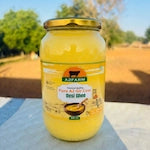
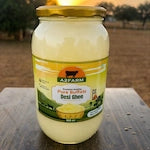
We keep both. Pure Desi Buffalo Ghee goes into festive sweets and weekend parathas, while A2 Gir Cow Ghee, a 100% Pure A2 Cow Ghee, is what we use for daily dal and rice.
Quick Poll: Which Ghee Is in Your Kitchen Right Now?
Buffalo, cow or both? Tell us in the comments, and share one dish where you refuse to skip ghee.
Is Buffalo Ghee Good for Daily Consumption? A Practical Guide
How Much Buffalo Ghee Should You Eat Per Day?
There is no single number that suits everyone. The right amount depends on your total calorie intake, activity level, age and health needs. Many nutrition professionals suggest a few teaspoons spread across the day for healthy adults, but that is a general idea, not a prescription. A farmer who walks all day needs more fat than someone who sits at a desk.
If you want a simple rule, count the ghee you cook with and the ghee you add at the table together. That is how we stopped overdoing it.
Who Should Be Careful With Buffalo Ghee?
People who have been told to limit saturated fat or total fat should pay attention. This includes anyone with high cholesterol, heart disease, gallbladder problems or weight goals set by a doctor. If that is you, ask your doctor or dietitian what fat intake is right for you before changing anything.
Diabetes, Cholesterol and Heart Health
This is the part that matters most in our home. Ghee is not forbidden for my grandfather, but the doctor wanted it counted inside his meal plan. Halwa and ladoo became occasional treats, while dal and sabzi got a measured spoon. I am not a doctor, and this is only our experience. Please do not read this blog as medical advice.
How to Choose Pure Buffalo Ghee in India
Adulteration is a real worry, and price or colour alone will not protect you. Check these points before you buy:
- Read the ingredient list. It should say only milk fat or butter from buffalo milk.
- Look for the FSSAI license number and the manufacturer's address.
- Check the batch number, packing date and expiry date.
- Ask how it is made. Traditional curd-based methods are described openly by honest brands.
- Look for lab testing information where it is available.
- Notice the aroma and texture. Pure ghee smells warm and clean, and it melts quickly on your palm.
Our guide to A2 cow ghee benefits and what my family's kitchen taught me covers more of this. You can also browse the full collection at A2 Farm to see how we describe our products.
How to Use Buffalo Ghee in Vegetarian Indian Cooking
Buffalo ghee works best in dishes where richness is the point. Here are the ways we use it in our vegetarian kitchen:
- Hot ghee khichdi or garlic khichdi on a rainy evening.
- Jeera rice with a spoon of ghee on top.
- Roasted makhana as an evening snack.
- Atta halwa and coconut ladoo for festivals, in small portions.
- Paneer ghee roast or garlic mushrooms for dinner.
For more ideas, see our pages on Indian recipes using ghee and cooking with ghee. A turmeric latte with ghee is a warm option for cold nights.
Buffalo Ghee FAQs
1. Is buffalo ghee good for health?
Yes, buffalo ghee can fit into a balanced diet in moderate portions. It is a concentrated source of dietary fat, so total intake matters more than the type.
2. Is buffalo ghee healthier than cow ghee?
Neither is automatically healthier for everyone. They differ in milk source, flavour, texture and composition, and the better choice depends on your diet and health needs.
3. Can we eat buffalo ghee every day?
Yes, it can be part of daily cooking, but portion size matters because ghee is calorie-dense and contains saturated fat.
4. Is buffalo ghee good for cooking?
Yes. Its rich flavour and high smoke point suit dal, roti, paratha, rice and traditional sweets.
5. Does buffalo ghee have more fat than cow ghee?
Buffalo milk generally has a higher fat content than cow milk, which gives buffalo ghee its dense texture. Exact nutrition varies by product and preparation.
2 Quick Tips Before You Pour Your Next Spoon
Tip 1: Count Ghee as Part of Your Total Fat
Add up the ghee you cook with and the ghee you add at the table. Do not stack it on top of an already high-fat diet.
Tip 2: Read the Label Before You Trust the Colour
Check the ingredients, manufacturer details and food-safety information instead of choosing only by colour or price.
Final Thoughts: Is Buffalo Ghee Good for Health?
So, is buffalo ghee good for health? In our home, the answer became yes, with limits. It is a tasty, traditional fat that fits a balanced diet when portions are measured and quality is checked. It is not a cure, and it is not a weight-loss food. My grandfather still enjoys his dal with ghee, just a smaller spoon, and we all feel better about it.
If you are ready to choose with confidence, explore Pure Desi Buffalo Ghee or A2 Gir Cow Ghee at A2 Farm. Tell me in the comments how much ghee your family uses in a day.